
In warehousing and logistics, physical goods move from one place to another every day. But goods do not move alone. They move together with documents that describe what is being shipped, who is responsible for the shipment, and where the shipment is going. One of the most important documents in this process is the BOL, or Bill of Lading.
This article explains what a Bill of Lading is, why it is used, its key features, its advantages, and the common situations where it is used in warehousing and logistics.
What Is a BOL?
BOL stands for Bill of Lading.
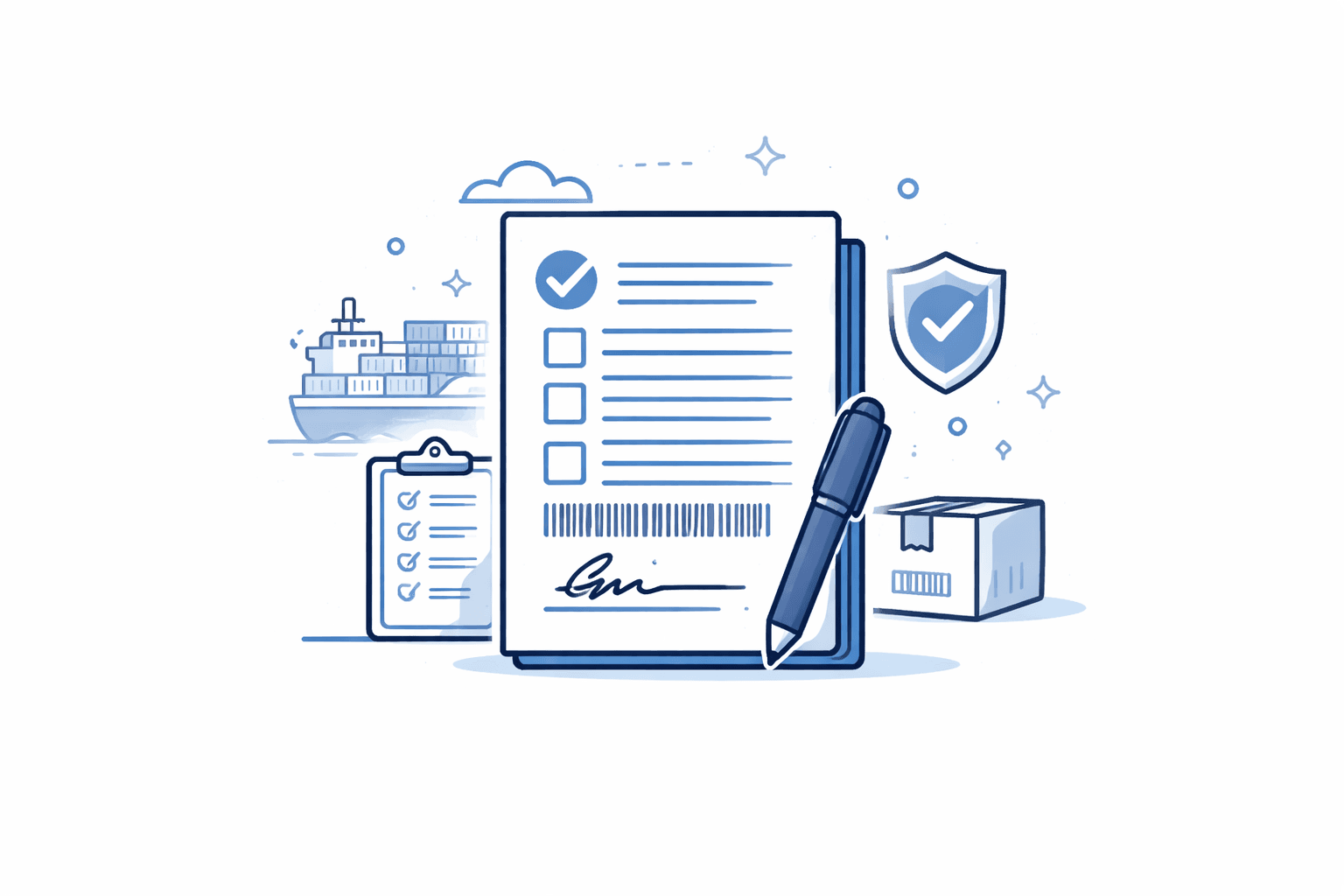
A Bill of Lading is a shipping document issued by a carrier or transportation provider. It serves as an official record of the shipment and includes important details about the goods being transported.
In simple terms, a BOL is a document that tells everyone involved:
- What goods are being shipped
- Who is shipping the goods
- Who will receive the goods
- Which carrier is handling the shipment
- How the goods should be transported
A BOL is often used for truck freight, LTL shipments, full truckload shipments, ocean freight, and other transportation activities.
Why Is a BOL Used?
The main purpose of a Bill of Lading is to provide a clear and formal shipping record. It helps make sure the shipment is understood and handled correctly by all parties.
1. Shipment Documentation
A BOL records the shipment details in a clear and structured way. It provides a written summary of what is moving from the shipper to the receiver.
2. Proof of Receipt
When the carrier accepts the goods, the BOL can serve as proof that the shipment was received for transportation.
3. Delivery Reference
The BOL gives the consignee and receiving team a reference document for checking the shipment when it arrives.
4. Communication Between Parties
A BOL helps align the shipper, carrier, warehouse, and consignee by giving everyone the same shipment information.
5. Support for Claims and Disputes
If there is damage, loss, or a quantity issue, the BOL can be used as an important reference during investigation and claims handling.
Key Features of a BOL
A Bill of Lading usually contains several standard pieces of information. These details help identify the shipment and support transportation operations.
1. Shipper and Consignee Information
The BOL includes the name and address of the shipper and the consignee.
2. Carrier Information
It shows which carrier is responsible for moving the goods.
3. Shipment Details
The BOL usually includes:
- Item description
- Quantity
- Weight
- Packaging type
- Number of pallets, cartons, or pieces
4. Pickup and Delivery Information
It often shows where the shipment is picked up and where it should be delivered.
5. Reference Numbers
The document may include shipment IDs, purchase order numbers, order numbers, or other tracking references.
6. Freight Terms
A BOL may also show freight terms, such as who is responsible for freight charges or how the shipment is classified.
Advantages of BOL
A Bill of Lading brings several practical benefits to warehouse and logistics operations.
Better Shipment Clarity
The BOL gives all parties a shared view of the shipment details. This reduces confusion and improves coordination.
Stronger Record Keeping
Because the BOL is a formal shipping document, it helps companies keep organized shipment records.
Improved Receiving Accuracy
Warehouse teams can use the BOL to verify what should arrive and compare it with the physical shipment.
Better Issue Handling
If there is a shortage, damage, or delivery problem, the BOL provides a clear starting point for review.
Support for Operational Control
The BOL helps businesses manage freight movement with more structure and consistency.
Common BOL Scenarios in Warehousing and Logistics
A Bill of Lading is used in many daily logistics workflows. Below are some common examples.
Outbound Freight Shipments
When a warehouse ships goods to a customer, store, or distribution center, a BOL is often created to accompany the shipment.
This is common for:
- LTL freight
- Full truckload shipments
- Store replenishment shipments
- Supplier-to-customer freight moves
Inbound Receiving at Warehouses
When goods arrive at a warehouse, the receiving team may use the BOL to check the shipment against expected quantities and descriptions.
Carrier Pickup Operations
During carrier pickup, the BOL can be used to confirm that the carrier received the shipment.
Cross-Docking and Transfer Movements
In transfer or cross-docking operations, the BOL helps identify what goods are moving and where they are supposed to go.
Claims, Audits, and Freight Review
If there is damage, a missing pallet, or a billing question, the BOL is often one of the first documents reviewed.
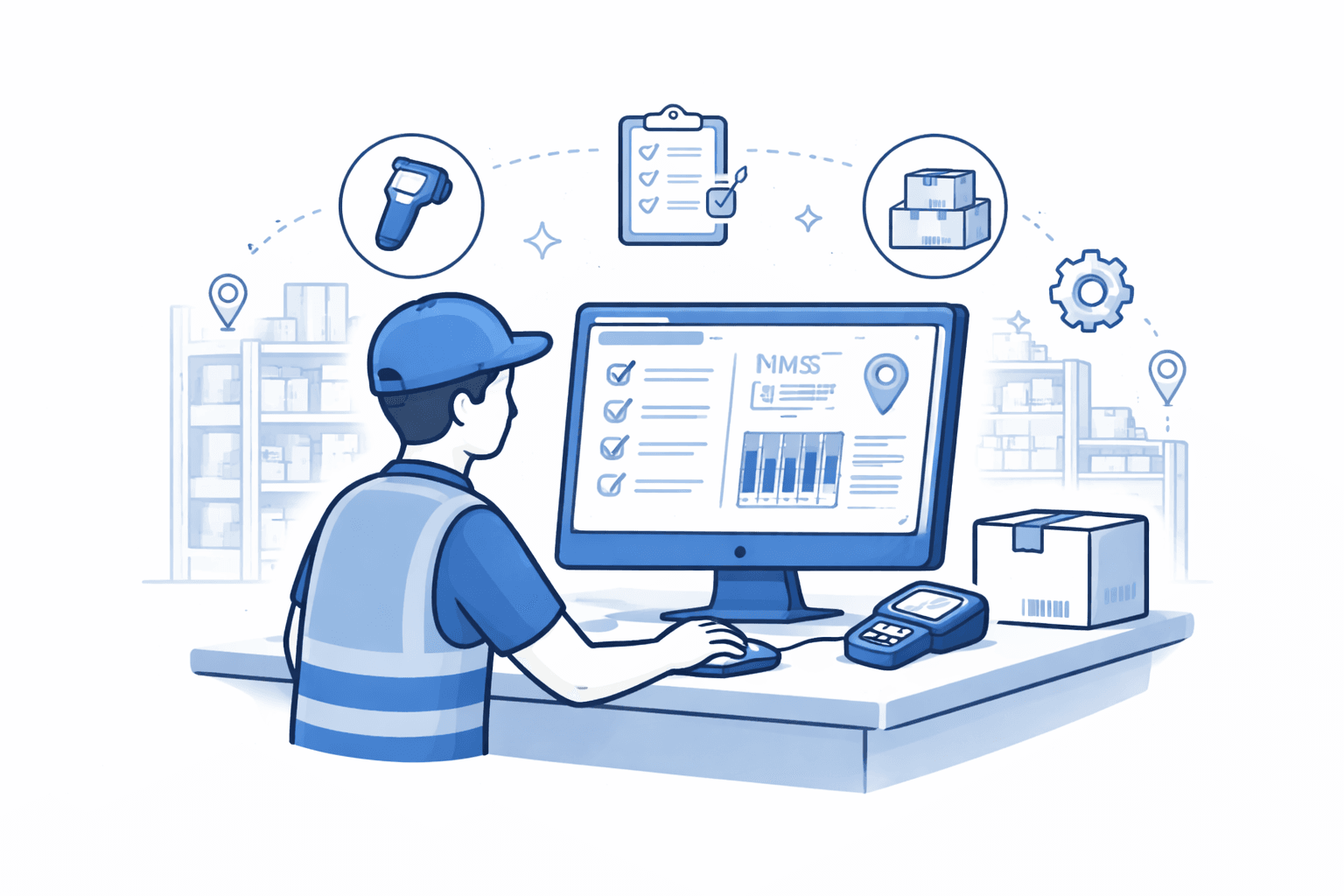
Why BOL Matters for Warehouse Software
For warehouse and logistics software, the Bill of Lading is an important part of shipment control.
A warehouse or shipping system can use BOL data to:
- Create shipping documents
- Link freight records to orders
- Support carrier coordination
- Improve receiving validation
- Maintain shipment history
If a warehouse handles regular freight shipments, BOL support is often a basic but necessary feature.
Final Thoughts
The Bill of Lading is one of the most important documents in transportation and logistics. It is simple in form, but it plays a big role in documenting shipments, improving coordination, and supporting smooth freight movement.
For warehouses, shippers, carriers, and logistics teams, understanding BOL is essential. It helps make shipping operations more accurate, more structured, and easier to manage.