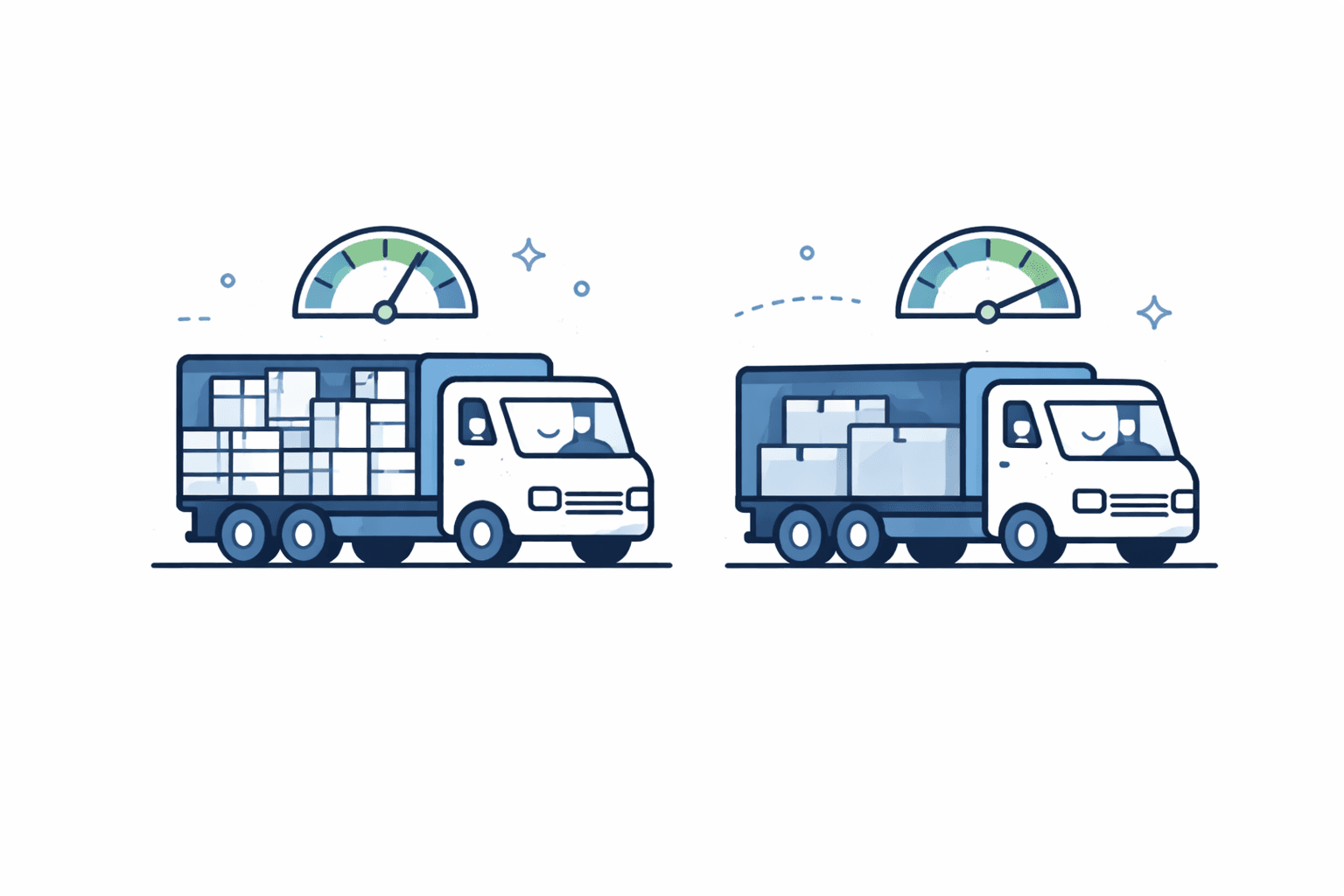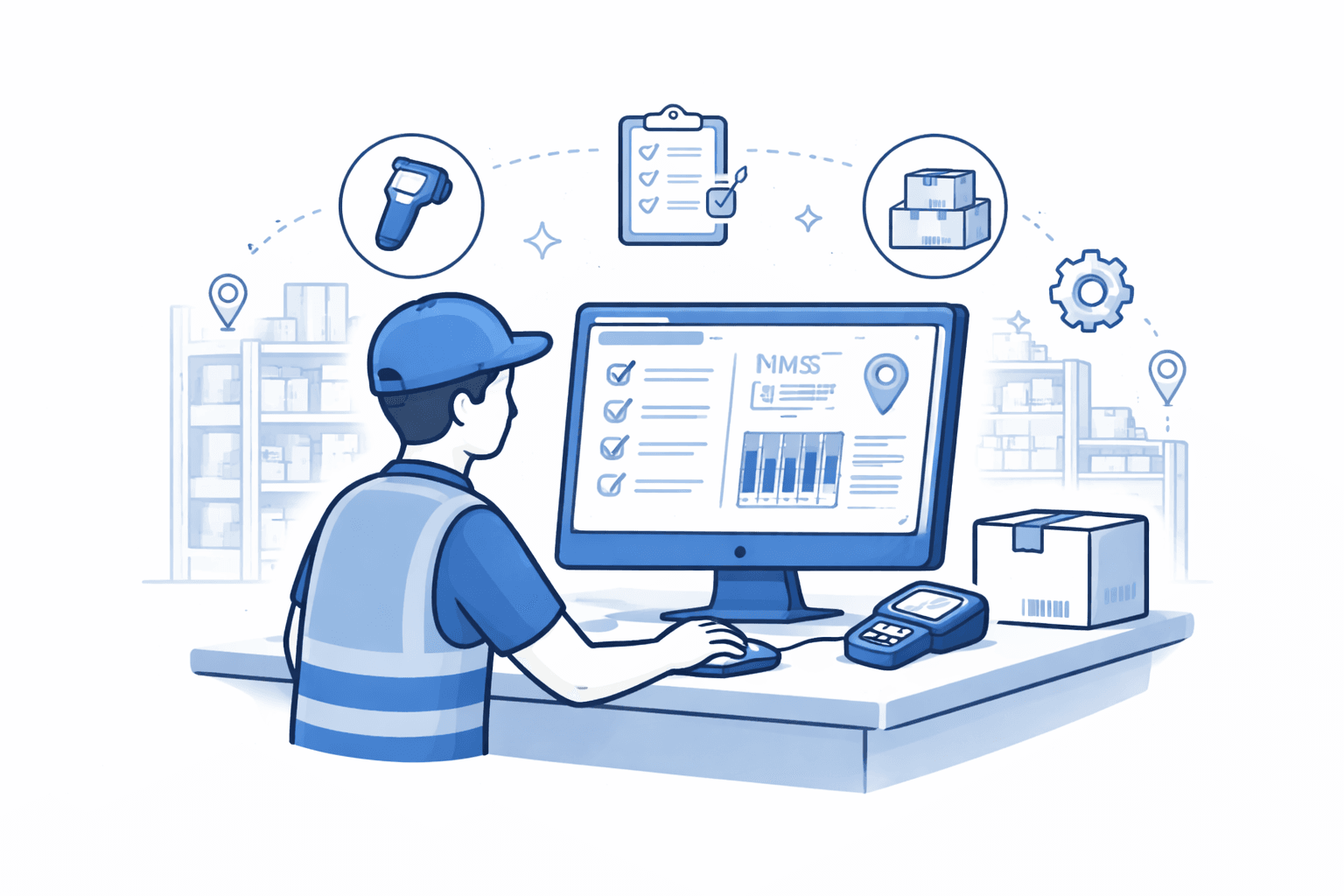

In warehousing and logistics, shipping decisions affect both cost and service quality. When a business needs to send an order, there is often more than one carrier or service available. Different options may have different prices, delivery times, service levels, and surcharges. This is where rate shopping becomes useful.
This article explains what rate shopping is, why it is used, its key features, its advantages, and the common situations where it is used in warehousing and logistics.
What Is Rate Shopping?
Rate shopping is the process of comparing shipping rates and service options from multiple carriers before choosing the best one for a shipment.
Instead of using the same carrier for every order, a business can review different shipping choices based on factors such as:
- Shipping cost
- Delivery speed
- Service type
- Destination
- Package weight and dimensions
- Special handling requirements
In simple terms, rate shopping helps a business choose the most suitable shipping option for each shipment.
Why Is Rate Shopping Used?
The main purpose of rate shopping is to help businesses make better shipping decisions. In many cases, the cheapest option is not always the best one, and the fastest option may cost more than necessary.
Rate shopping helps businesses balance cost, speed, and service quality.
1. Control Shipping Costs
Shipping expenses can become a major cost in warehouse and fulfillment operations. Rate shopping helps businesses compare prices and avoid paying more than necessary.
2. Improve Delivery Decisions
Some orders need fast delivery, while others can use slower and less expensive services. Rate shopping helps businesses choose the right service level for each shipment.
3. Support Better Customer Service
By selecting the most suitable carrier and service, businesses can improve delivery performance and meet customer expectations more consistently.
4. Increase Operational Flexibility
If one carrier has a delay, service limitation, or higher rate for a certain route, rate shopping allows the business to choose another option.
Key Features of Rate Shopping
Rate shopping is more than just comparing prices. In modern logistics software, it usually includes several practical features that help teams make decisions quickly.
1. Multi-Carrier Rate Comparison
A rate shopping tool can compare rates from multiple carriers at the same time.
This allows users to review different options without checking each carrier manually.
2. Service Level Comparison
The system can compare not only prices, but also service levels such as:
- Standard delivery
- Expedited shipping
- Overnight shipping
- Economy services
This makes it easier to match shipping service with business needs.
3. Transit Time Visibility
A good rate shopping process also shows estimated delivery times.
This helps teams compare cost against speed before selecting a carrier.
4. Rule-Based Carrier Selection
Some systems allow businesses to create rules for automatic decision-making.
For example:
- Use the lowest-cost option for orders under a certain value
- Use a specific carrier for certain zones
- Choose faster service for priority customers
This helps reduce manual work.
5. Integration with WMS, TMS, or Order Systems
Rate shopping is often integrated into warehouse, transportation, or order management systems.
This allows shipping decisions to happen inside the normal workflow.
Advantages of Rate Shopping
Rate shopping offers several clear advantages for warehouse and logistics operations.
Lower Shipping Costs
By comparing rates before shipment, businesses can often reduce transportation expenses.
Better Carrier Selection
Teams can choose carriers based on real shipment needs instead of habit or guesswork.
Improved Delivery Performance
Matching the right service to the right order helps improve on-time delivery.
More Efficient Shipping Workflows
When rate shopping is built into the system, shipping teams can make faster and more consistent decisions.
Better Use of Carrier Network
Businesses that work with multiple carriers can use their carrier network more effectively instead of depending too much on one option.
Common Rate Shopping Scenarios in Warehousing and Logistics
Rate shopping is used in many day-to-day operations. Below are some common situations where it is especially useful.
E-Commerce Order Fulfillment
In e-commerce, every order may have different shipping needs. Some customers want low-cost shipping, while others expect fast delivery.
Rate shopping helps fulfillment teams choose the best carrier and service for each order.
Multi-Carrier Warehouse Operations
Warehouses that work with several parcel or freight carriers often use rate shopping to compare options before shipping.
This is common in operations that use:
- UPS
- FedEx
- DHL
- USPS
- Regional carriers
- LTL carriers
Customer-Specific Shipping Requirements
Some customers require certain service levels, delivery windows, or carrier preferences.
Rate shopping helps the warehouse select options that match those requirements.
Freight and Parcel Cost Optimization
For some shipments, a parcel carrier may be more cost-effective. For others, an LTL or freight option may make more sense.
Rate shopping helps businesses compare these choices in a more structured way.
Exception Handling and Carrier Backup
If one carrier is unavailable, overloaded, or too expensive for a certain shipment, rate shopping provides an alternative quickly.
This gives warehouse teams more flexibility during disruptions.
Why Rate Shopping Matters for Warehouse Software
For warehouse software, rate shopping is an important function because shipping is one of the final and most visible parts of the fulfillment process.
A warehouse or shipping system can use rate shopping to:
- Compare carrier options automatically
- Select the best shipping method
- Reduce shipping costs
- Improve delivery reliability
- Support multi-carrier operations
When shipping volume grows, these improvements can have a large impact on both cost and service quality.
Final Thoughts
Rate shopping is a practical tool that helps businesses make better shipping decisions. It does not simply mean finding the cheapest rate. It means choosing the most suitable option based on cost, service, speed, and operational needs.
For warehouses, fulfillment centers, and logistics teams, rate shopping can improve efficiency, reduce cost, and create a more flexible shipping process. As shipping operations become more complex, rate shopping becomes even more valuable.